Truth, history, the Church Commissioners, and reparative justice

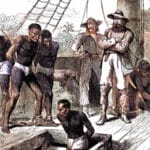
It is over three years since the Church Commissioners published their controversial report on the Church’s links to the slave trade.  Since then critics have challenged the Commissioners’ historical research while both the Church Commissioners and their historical advisers have published their separate responses to such criticism.  However, in the light of recent academic research it is now clear beyond doubt that the Commissioners’ historical analysis is deeply flawed and their conclusions mistaken.  The Commissioners therefore have a moral responsibility to withdraw their report and correct the record before a false historical narrative, to which they have lent their full authority, becomes further embedded in Google, AI and in schools and colleges throughout the world.

In February 2021 the accountants, Grant Thornton, were instructed by the Church Commissioners to review the ledgers of Queen Anne’s Bounty to “determine the extent to which the origins of the Endowment Fund may have been derived from the profits of the slave trade.”  

Grant Thornton’s verdict was devastating:

We found that Queen Anne’s Bounty had purchased investments in an entity called the South Sea Company which is known to have transported 34,000 enslaved persons across the Atlantic.  The South Sea Company ceased trading in enslaved people in 1739 at which point the Bounty had invested £443 million (in today’s terms).

These findings were incorporated into the Church Commissioners’ report on the Church’s links to slavery, publicised in the press and cited as the basis for Project Spire, a proposed £100 million impact investment fund, that was announced in January 2023.  

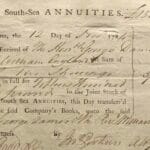
The central argument of the Church Commissioners and their historical advisers is that Queen Anne’s Bounty profited hugely from their slavery-linked investments, derived principally from interest on its holdings of South Sea Annuities.  Church leaders were understandably shocked by the Commissioners’ report.  The then Archbishop of Canterbury publicly apologised for the fact that the Church had profited from slavery, and the Bishop of Manchester, who was also deputy chair of the Commissioners, wrote an open letter to Save the Parish in support of Project Spire.  He said:

The problems with Project Spire: presentations

Is the Church Commissioners’ proposal for a ‘reparations’ fund (Project Spire) for ‘Justice, Healing, and Repair’ based on historical facts? Will it ‘repair’, or in fact divide us further? Is there a clear ethical argument, and have they followed clear and transparent processes in proposing this? The two videos here comprises four addresses given at … Continue Reading
The problems with the C of E’s ‘reparations’ project (‘Spire’)

The Church Commissioners’ response to what has allegedly been learnt about the involvement of its predecessor, the Queen Anne’s Bounty (QAB), in the slave trade was first called Project Spire, and has been relabelled the Fund for Healing, Justice, and Repair. General Synod has been meeting this week, and in Questions, the first section pressed … Continue Reading
Is there a case for slavery reparations?

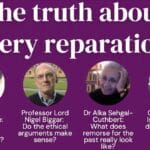
  Lord Nigel Biggar is Regius Professor Emeritus of Moral Theology at the University of Oxford, and a well-known author on moral and ethical issues. He has just published Reparations: Slavery and the Tyranny of Imaginary Guilt (Swift, 2025), challenging the current narrative within and beyond the Church of England about the need for reparations … Continue Reading
Should the Church Commissioners pay slavery reparations? Further questions

Project Spire is the name that has been given to the Church Commissioner’s decision to put aside £100m of their investments to be directed to working with and for communities affected by historic transatlantic slavery, with the intention that it creates a lasting legacy. The £100 million, which will be built up over the 9-year … Continue Reading