Taking up the cross in Matthew 16

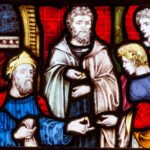
The lectionary gospel reading for Trinity 12 in Year A is Matthew 16.21–28, in which Jesus declares he is heading for Jerusalem to die, Peter rebukes him, and Jesus counter-rebukes Peter. It follows on from the strong commendation of Peter by Jesus after his confession at Caesarea Philippi, and offers a contrast with it at … Continue Reading
‘Did God really say…?’ (Gen 2–3)

Richard Briggs writes: The Bible does not begin with trouble. It actually begins with a gloriously peaceful creation story, stripped of concerns with competing powers, other gods, original chaos, and the politics of ancient Israel battling its way through the nations. Hence Genesis 1: six days of divine creative work, all pretty good, as we have … Continue Reading
Why does Jesus say so many hard things?

I was asked by the London Institute of Contemporary Christianity (LICC) to write a short series of five reflections on the ‘Hard sayings of Jesus’ for their weekly email Word for the Week which is sent out on Monday mornings. It has proved to be an interesting experience which I am still reflecting on. When … Continue Reading
Jesus (and Peter) walking on the water in Matthew 14

The Sunday lectionary reading for the Ninth Sunday of Trinity in Year A is Matt 14.22–33, Matthew’s instinctive account of Jesus’ walking across the water and Peter’s response to it. I am finding this recent, sustained immersion in Matthew’s narrative very interesting. We have often noted how Matthew’s accounts are more compressed than the other … Continue Reading
Celebrating the Transfiguration of Jesus

The Transfiguration is included as a Feast Day (liturgical colour: white) on August 6th in the Revised Common Lectionary, presumably as an ecumenical nod to the traditions of the Eastern churches. But it is already included on the last Sunday in Epiphany as well! Since we are reading Matthew this year, we have already read … Continue Reading
Why bother resting?

Richard Briggs writes: Something strange happened when the Bible was split up into chapters: certain texts were bound together and others were suddenly thrust apart. The very first example of chapter division in Genesis raises some interesting questions, concerning what is now Gen 1:31 and Gen 2:1. The first three (or three and a half) verses … Continue Reading