Exploring the New Testament—Third Edition

Exploring the New Testament was a two-volume introduction to the background, documents and interpretation of the New Testament first published in 2001. The first volume, on the gospels and Acts, was written by David Wenham and Steve Walton and it includes, in my view, the clearest and most helpful summary of the ‘Synoptic problem’ (the …

Continue Reading

Joy and friendship with Jesus in John 15

The lectionary reading for Easter 6 in Year B is the second half of what appears to be a single section of Jesus’ teaching, in his ‘Farewell Discourse’, John 15.9–17. On the one hand, it seems strange to have divided this teaching into its two halves. On the other, whilst there is a continuing overarching …

Continue Reading

Jesus the true vine in John 15

The Sunday lectionary reading for Easter 5 in Year B is Jesus’ teaching that he is the true vine in John 15.1–8. It is a striking and memorable image that has three different elements of context to consider, and it reiterates themes from earlier in the Farewell Discourse as well as picking up ideas that …

Continue Reading

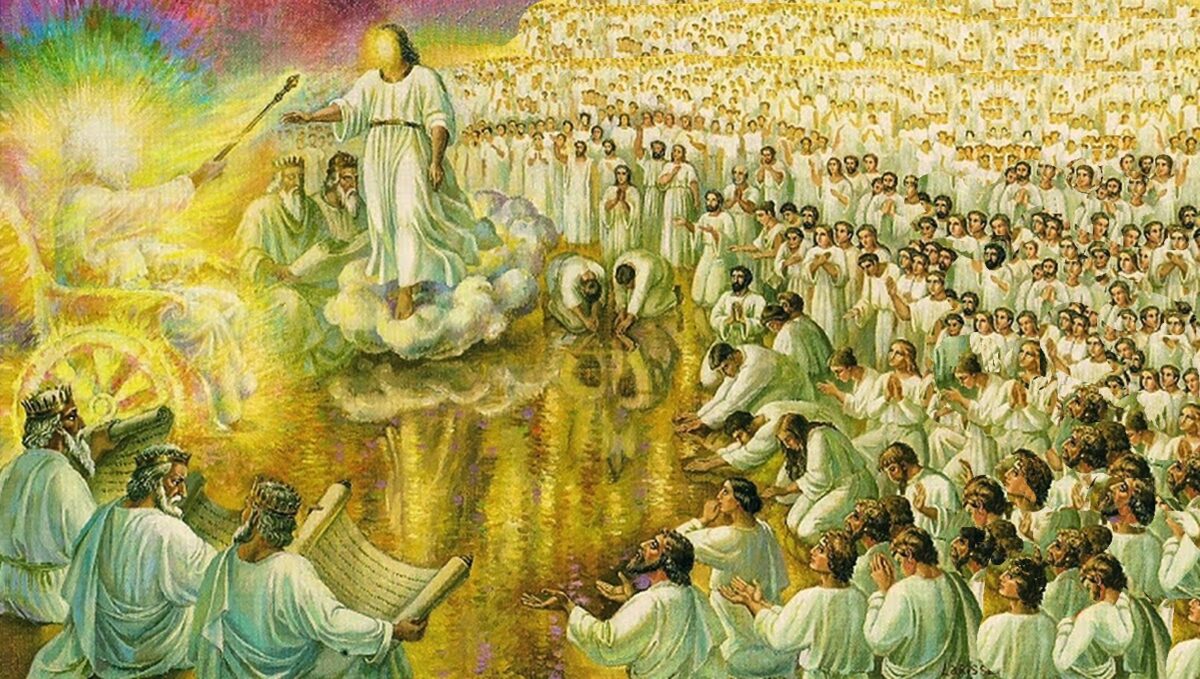
How does Revelation 14 depict the people of God?

This week I was engaged in two unrelated tasks—appearing on a US podcast about the Book of Revelation, and writing some Bible reading notes—but their juxtaposition suddenly pressed a question about Revelation in a fresh way. One of the key questions for the podcast was ‘So how is Revelation relevant today?’ and I was considering …

Continue Reading

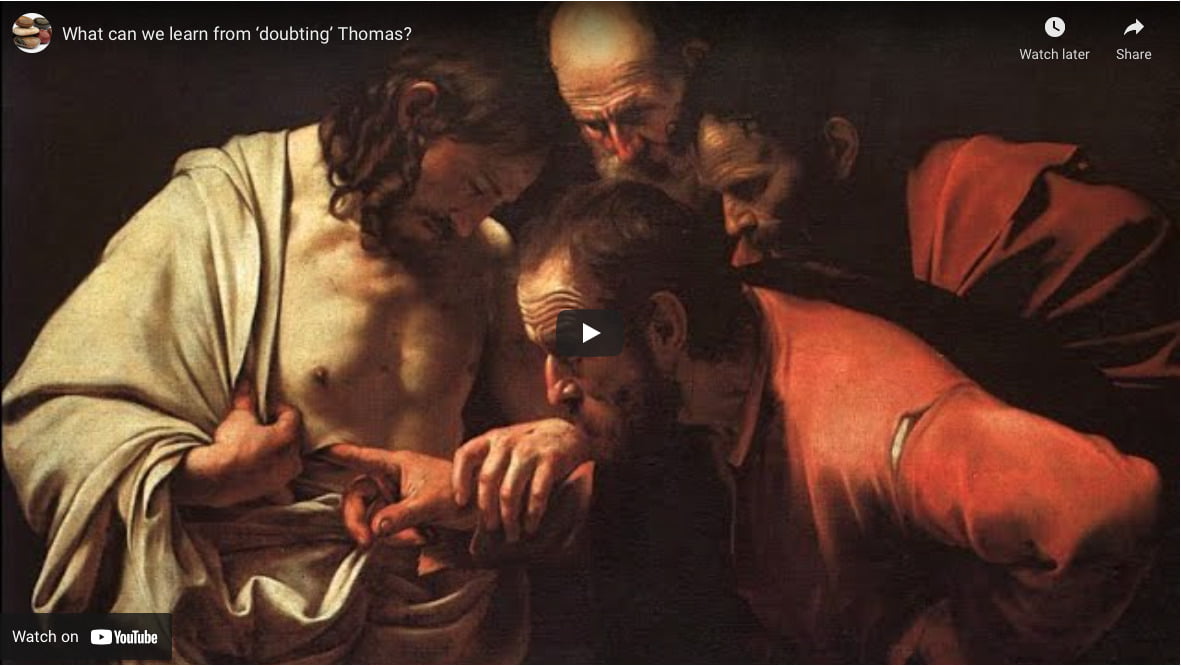
The risen Jesus with the Eleven in Luke 24

The gospel lectionary reading for the Third Sunday of Easter in Year B is Luke 24.36b–48, the episode where Jesus meets the disciples after the encounter on the Emmaus Road and before the Ascension. (The lectionary readings for the Third Sunday in Easter ignore the particular gospel for the year, and instead cycle round Luke …

Continue Reading

The NT Birth Narratives: Suspicious Omissions or Deliberate Exclusions?

James Bejon writes: As Christians, most of us are familiar with harmonised versions of the NT’s birth narratives. We see them acted out each year in Nativity plays (if we subject ourselves to such things). Considered in isolation, however, the birth narratives are less familiar, and even slightly awkward. They gloss over major events. Or, …

Continue Reading

Ethnic and social diversity in the early church

A good deal of contemporary debate about the nature of the church, and the challenges to reverse decline in church attendance in the West, focussed on sociological questions of reaching different groups, defined by culture, ethnicity and social status. So, for example, in contemporary discussion in the Church of England, we talk about outer estates, …

Continue Reading