Jesus the bread of life in John 6
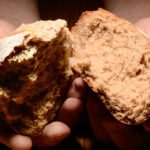
We continue through our careful reading of John 6 as an intermission from Mark’s gospel, and on Trinity 9 in Year B the gospel reading is John 6.24โ€“35. Having romped through 21 verses last week, which include the Fourth Gospel’s lengthier version of the feeding of the 5,000ย and Jesus walking on water (though in a … Continue Reading
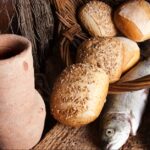
The feeding of the 5000 in John 6

The lectionary takes us from famine to feastโ€”metaphorically and literally!โ€”as we move from the sparse verses about Jesus’ ministry in Mark 6 to the lavish feast of both the feeding of the 5,000ย and Jesus walking on the water in John 6. Whilst we might have struggled to find a sermon on last week’s readings, there … Continue Reading
Jesus is rejected at Nazareth in Mark 6

The gospel lectionary reading for Trinity 5 in Year B is Mark 6.1โ€“13, and is yet another example of Mark’s highly concise storytelling that is packed with theological narrative significance. Once more the lectionary does us a slight disservice; the reading combines the story of those taking offence at Jesus in his home town with … Continue Reading
Jesus calms the storm in Mark 4

The lectionary reading for Trinity 3 in Year B is Mark 4.35โ€“41, the account of Jesus calming the storm. It is a fabulous story both full of little eye-witness details, and yet at the same time impossible to read without feeling its symbolic significance. Unlike Matthew, Mark does not bridge the literal story to its … Continue Reading
Jesus’ followers are kept, sanctified and sent into the world in John 17

The Sunday lectionary gospel reading for Easter 7 in Year B is John 17.6โ€“19, the central section of Jesus’ so-called ‘High Priestly Prayer’. The reading omits the introduction and opening sentences of the prayer, and stops short before the often-quoted ‘that they might be one’; I have previously commented on the use of this phrase, … Continue Reading