The Comfort of the Apocalypse

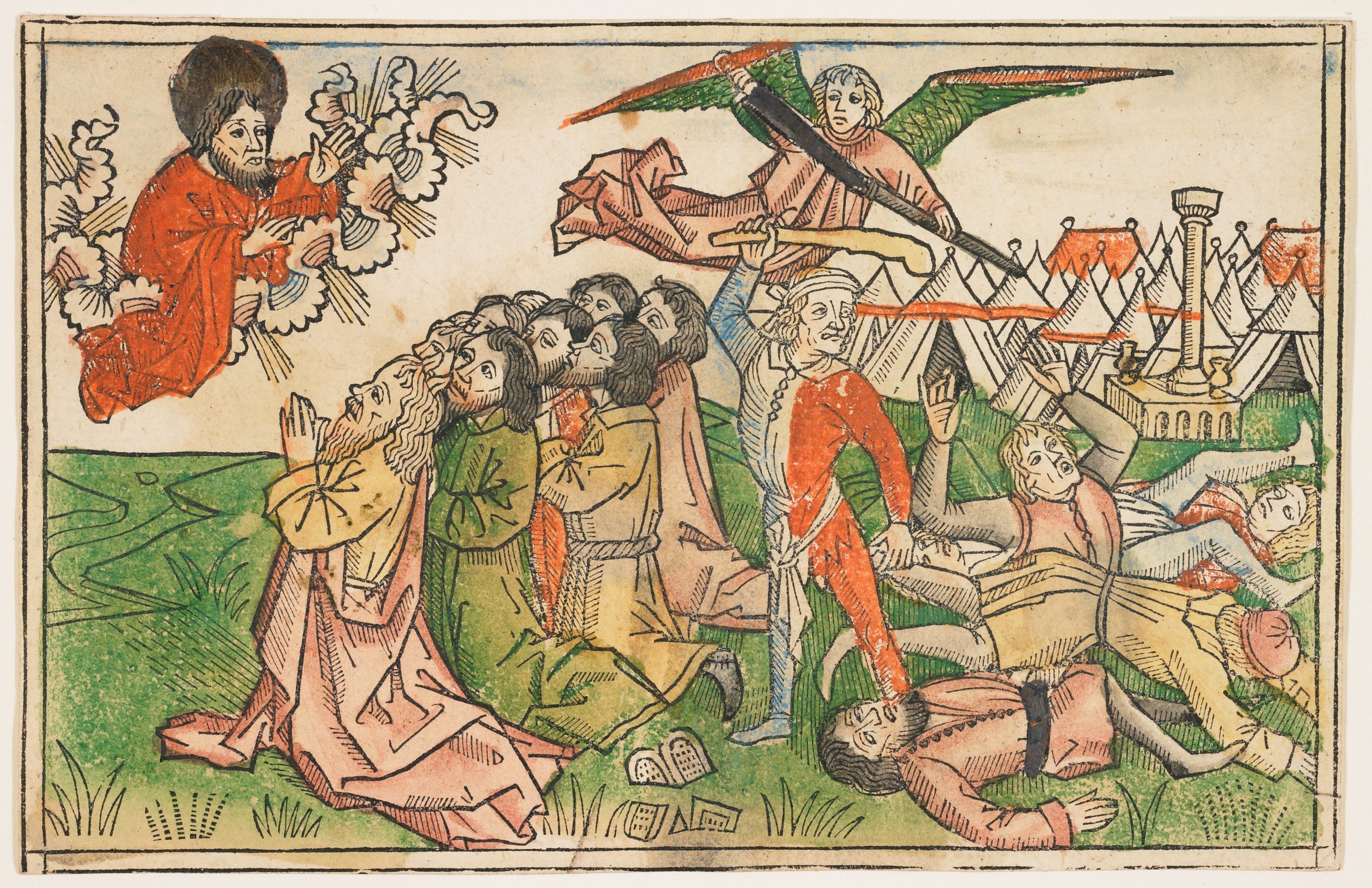
Jonathan Parker writes: Did somebody say, “Apocalypse?” When things get dire, as in our current, terrifying pandemic, I hear the word “apocalypse” come up a lot more often. “Religious” people start saying, “Here it is” or “No, this isn’t it” (often you can guess which based on their given political or cultural background). The “it” they …
Continue Reading

What was ordinary life like in the first century?

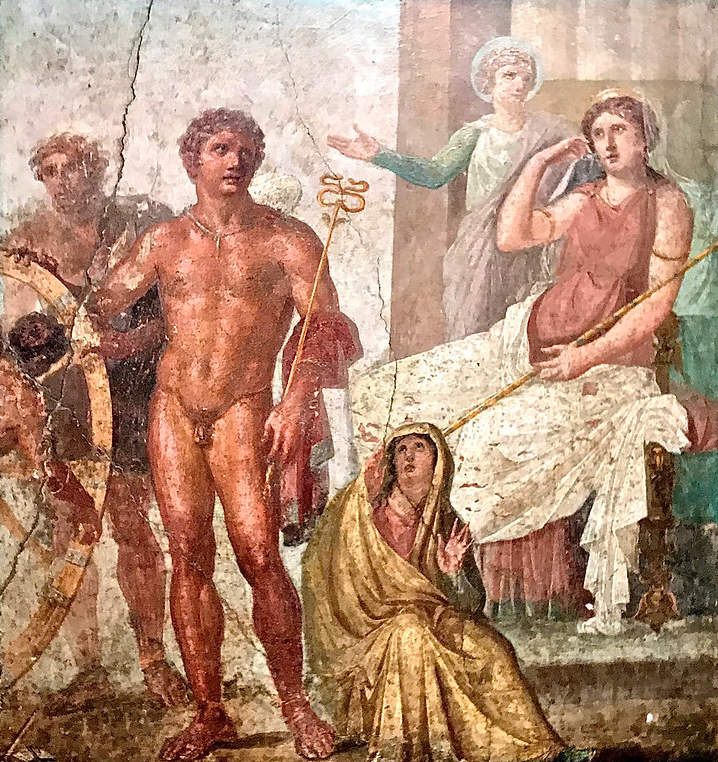
Bruce Longenecker is Professor of Christian Origins and W. W. Melton Chair of Religion at Baylor University, Waco, Texas. He has a long-standing interest in the cultural context of the early Christian movement, and has just published In Stone and Story, an exploration of the Roman world of the first century, and how Christian faith engaged with, …

Continue Reading

How to choose your own personal Jesus

Over the new year, I had an interesting, though at times bizarre, interaction with a well-known church leader in Australia (such are the wonders of the internet). This person had posted a graphic/meme similar to the one here as a light-hearted New Year’s resolution, and I added the comment: —Tell people they are sinners who …

Continue Reading

The distinctive people of God in Matthew 5

This Sunday’s lectionary reading, the Third Sunday before Lent in Year A, is Matt 5.13–20, a short section of the so-called Sermon on the Mount following on from the Beatitudes. In some ways, this collection of sayings is well known, with some of it passing into common parlance (‘salt of the earth’)—and yet the important …

Continue Reading

The presentation of Jesus in Luke 2

The lectionary reading for Sunday is Luke 2.20–40 as we celebrate the Presentation of Jesus in the temple in Jerusalem. Although we are now in Year A, and so following Matthew’s gospel, we return to Luke to read about this episode in Jesus’ life each year to celebrate the Principal Feast which is also known …

Continue Reading

Truth expressed in relationships in Titus and Philemon

Most years I contribute to the Bible Reading Fellowship’s (BRF) Bible reading notes Guidelines. Some time ago I wrote on 2 Timothy, Titus and Philemon, and share my thoughts as the Pastorals, whilst the focus for certain traditions, are neglected by many churches in their teaching. Here are my notes on Titus and Philemon; see yesterday’s post for …

Continue Reading

God’s sovereignty and human response in 2 Timothy

Most years I contribute to the Bible Reading Fellowship’s (BRF) Bible reading notes Guidelines. Some time ago I wrote on 2 Timothy, Titus and Philemon, and share my thoughts as the Pastorals, whilst the focus for certain traditions, are neglected by many churches in their teaching. Here are my notes on 2 Timothy; tomorrow I will post the …

Continue Reading

Should we read the Bible allegorically?

Some time ago, I had a fascinating interaction online in the context of discussing the relation of the Old Testament to the New. The conversation went something like this. Blogger: ‘There is no difference between the OT and the NT. There is nothing in the NT which is not in the OT.’ Me: ‘What about …

Continue Reading

Will God act ‘soon’ in answer to prayer?

Unless you are a deist (even perhaps a moral therapeutic deist) then belief in the orthodox understanding of the Trinity implies an expectation that God, by his Spirit, is at work in the world and in the life of the believer. In 1 Corinthians, Paul describes the active work of the Spirit in the congregation …

Continue Reading

What is Michael doing with his angels in Revelation 12?

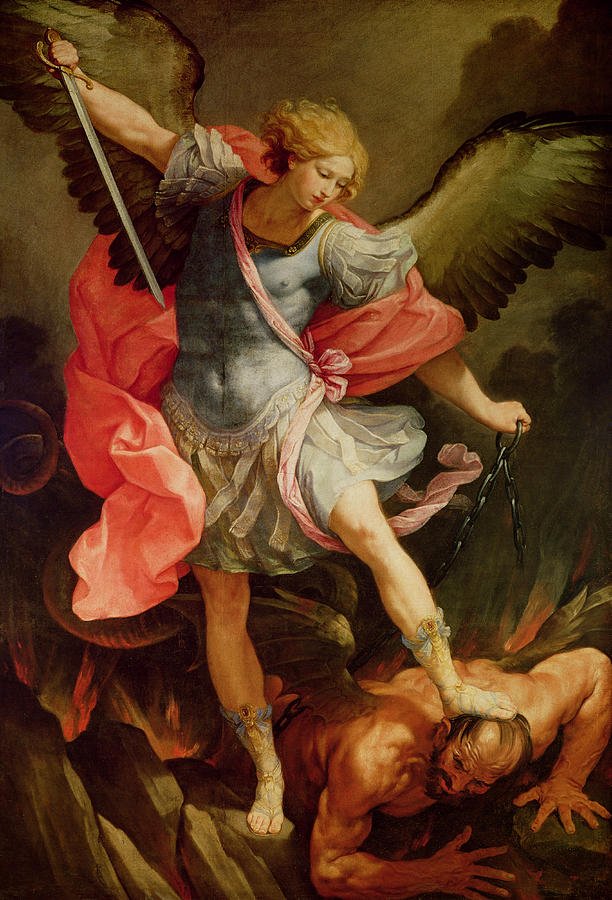
This Sunday’s lectionary reading is from Rev 12.7–12 in celebration of the feast of Michael and All Angels. Although the festival focusses on Michael, everything about this passages actually focusses away from Michael and points us to the victory of God and the lamb—even Michael’s name! This is what I wrote in my Tyndale Commentary, as …

Continue Reading