How can we rejoice in an imperfect world?

I write a quarterly column for Preach magazine, in which I explore a significant word or phrase in the Bible and the ideas that it expresses. I have written for them on: the phrase ‘Word of God’ the theme of ‘Mission’ the meaning of ‘Apocalypse‘ the ministry of ‘Healing’, the question of ‘Welcome’, the biblical understanding … Continue Reading
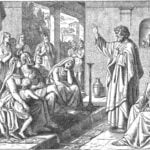
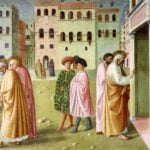
Why is the raising of Tabitha in Acts 9 significant?

The lectionary readings for Easter 4 in Year C include three substantial readings: Acts 9.36-43, Revelation 7.9-17 and John 10.22-30. There is a note which says: ‘The reading from Acts must be used as either the first or second reading’, which suggests that this reading is thought to be particularly important—and this is characteristic of the Easter season. … Continue Reading
How can we start the conversation about sexuality in the local church?

In November 2020, the Church of England Evangelical Council (CEEC), which is a coalition of evangelical networks and organisations in the C of E, published a film called The Beautiful Story, offering the outline of an ‘orthodox’ response to the current discussions about sexuality in the church. It received a quite mixed response; from many, … Continue Reading
153 fish, three loves, and one call to follow in John 21 video discussion

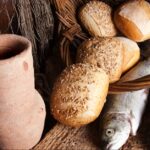
The lectionary gospel reading for Easter 3 is John 21.1–19. It is a long reading, full of fascinating things to reflect on, including whether the number 153 means anything, and if there is any significance to the different words Jesus uses for ‘love’. James and Ian reflect on these issues and their implication for reading … Continue Reading
What does ‘doubting Thomas’ teach us?

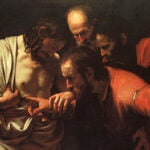
The Sunday gospel lectionary reading for the Second Sunday in Easter is John 20.19–31, which includes Jesus’ encounter with so-called ‘doubting Thomas’. It is the set reading for this week in all three years of the lectionary, so we know it well—and need to reflect on it if we are going to preach effectively on … Continue Reading