Is there hope for unbelieving Britain?

The article that caught my eye this week in the Church Times (which I read every week) was a fascinating reflection by Philip North, the bishop of Burnley, on his visits over the summer to three different Christian ‘festivals’. He visited: the Keswick Convention, a bastion of conservative evangelical devotion, shaped by free church evangelicals … Continue Reading
Evangelical responses to the ‘Nashville Statement’

The ‘Nashville Statement‘ is a ‘manifesto’ comment on the issues around same-sex relations, transgender and the debate on sexual identity issued by the so-called Council on Biblical Manhood and Womanhood (CBMW), which argues that God intends that men should have authority over women in all spheres of life. It provoked a wide range of reactions, some … Continue Reading
Do we have a better story about sexuality and faith?

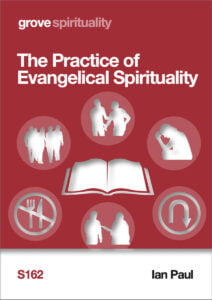
Are you confident about orthodox Christian teaching about sex, sexuality and marriage? Are you happy talking about it, and find it easy to communicate it persuasively in our contemporary culture with its approach to gender identity? Do you understand how Western culture reached its current position, and see both the positives and the problems in … Continue Reading
(How) should we proclaim bad news?

A little while ago, I preached on Isaiah chapter 1, and it challenged me to think through how we proclaim bad news in our preaching. I have generally observed a striking divide between theological traditions in relation to whether the gospel is in fact ‘good news’ (as the word ‘gospel’ tells us—a ‘good spell’ or word), … Continue Reading
The dynamism of Pentecost

Coming once again to the New Testament texts about Pentecost, I have been struck by the extraordinary dynamism which seems to be present in every aspect. In the gospels, Jesus is the dynamic focus of action—constantly on the move physically as a way of expressing the dynamic presence and movement of God in his ministry—and … Continue Reading
Are unbelievers ‘lost’?

Before you came to faith, were you ‘lost’? Many Christians, and particularly evangelicals, would answer ‘yes’ for a range of reasons. Most often this question is answered in relation to theological categories, and the ‘objective’ sense of the term: being ‘lost’ can mean that we are lost to God, or that (in Pauline terms) we … Continue Reading