Understanding emerging gender identities

Mark Yarhouse is well known as a psychologist offering a Christian perspective on the complex questions around transgenderism and gender dysphoria, and I have previously reviewed his book Understanding Gender Dysphoria. He has teamed up with Julia Sadusky, a clinical psychologist and youth and ministry educator, and an advisor to Preston Sprinkle’s Center for Faith, Sexuality and …

Continue Reading

Taking up the cross in Matthew 16

The lectionary gospel reading for Trinity 12 in Year A is Matthew 16.21–28, in which Jesus declares he is heading for Jerusalem to die, Peter rebukes him, and Jesus counter-rebukes Peter. It follows on from the strong commendation of Peter by Jesus after his confession at Caesarea Philippi, and offers a contrast with it at …

Continue Reading

‘Did God really say…?’ (Gen 2–3)

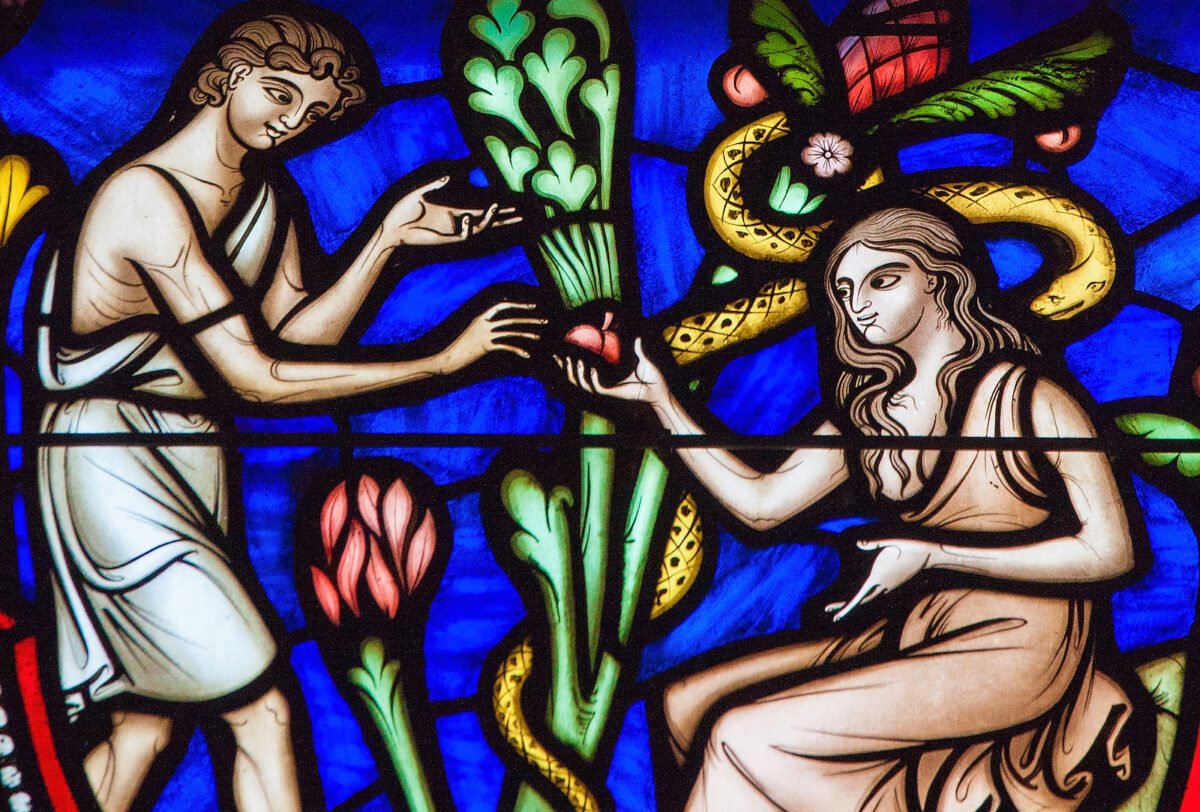
Richard Briggs writes: The Bible does not begin with trouble. It actually begins with a gloriously peaceful creation story, stripped of concerns with competing powers, other gods, original chaos, and the politics of ancient Israel battling its way through the nations. Hence Genesis 1: six days of divine creative work, all pretty good, as we have …

Continue Reading

Why does Jesus say so many hard things?

I was asked by the London Institute of Contemporary Christianity (LICC) to write a short series of five reflections on the ‘Hard sayings of Jesus’ for their weekly email Word for the Week which is sent out on Monday mornings. It has proved to be an interesting experience which I am still reflecting on. When …

Continue Reading

Teaching Scripture through storytelling

Bob Hartman is well known for his use of storytelling to introduce people to the Bible and understand its message. He is now celebrating the 25th anniversary of the Lion Storyteller Bible, which has a new edition out to mark the occasion. I was able to catch up with him and ask him about his …

Continue Reading

Did Jesus use multiple cups at the Last Supper?

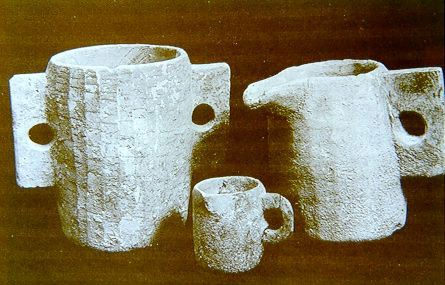
There has been a bit of a to-do in the Church of England about the use of multiple, individual cups for the distribution of the wine at Communion. Some have claimed that ‘it is not Anglican’, being a free-church practice, whilst others have claimed that it contradicts the dominical command, enshrined in Anglican practice, to …

Continue Reading

The turning point of the gospel in Matthew 16

The reading for Trinity 11 in Year A is Matt 16.13–20, quite a short reading, but forming in Matthew, as the episode does in Mark, a pivotal moment in the gospel narrative, where, at the northernmost point of his ministry, Jesus turns from the adulation of the crowds in Galilee to the opposition of the …

Continue Reading

Can we think Christianly about economics?

Tim Hogg writes: Economists have never played a larger role in society than they do today. Economics is, ultimately, a tool to shape society. The dialogue between the church and economists has enormous potential to bear fruit; if the gospel can change my life, it can change economics. Frustration and impatience can sometimes be the result …

Continue Reading

Why and how can we learn New Testament Greek?

Ian Macnair wrote what I decided when teaching was the best book for teaching introductory NT Greek, which continues in print as Teach Yourself New Testament Greek. I had the chance to ask Ian about the book and his approach to learning. IP: Most people think that learning Greek is just for academics reading the New …

Continue Reading

Engaging Faith with Science amid a Pandemic

David Jeans writes: In the relationship of science and faith, the public perception is often one of conflict. When I talk about being a Chemistry teacher before ordination, I am often met with one of two comments.  The first is “that was my hardest subject at school”; the second is “what made you change your …

Continue Reading