Jesus calms the storm in Mark 4

The lectionary reading for Trinity 3 in Year B is Mark 4.35–41, the account of Jesus calming the storm. It is a fabulous story both full of little eye-witness details, and yet at the same time impossible to read without feeling its symbolic significance. Unlike Matthew, Mark does not bridge the literal story to its … Continue Reading

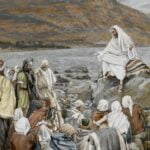
Did Jesus laugh? Was he funny?

For some time, I have been intrigued by the question of whether Jesus was funny. In his teaching, did he tell what we might call jokes, and did his listeners find themselves laughing when they listened to him? There are many prima facie reasons why we might suppose Jesus was funny. If Jesus was fully human—indeed, … Continue Reading

Jesus’ followers are kept, sanctified and sent into the world in John 17

The Sunday lectionary gospel reading for Easter 7 in Year B is John 17.6–19, the central section of Jesus’ so-called ‘High Priestly Prayer’. The reading omits the introduction and opening sentences of the prayer, and stops short before the often-quoted ‘that they might be one’; I have previously commented on the use of this phrase, … Continue Reading

Jesus the true vine in John 15

The Sunday lectionary reading for Easter 5 in Year B is Jesus’ teaching that he is the true vine in John 15.1–8. It is a striking and memorable image that has three different elements of context to consider, and it reiterates themes from earlier in the Farewell Discourse as well as picking up ideas that … Continue Reading

The risen Jesus with the Eleven in Luke 24

The gospel lectionary reading for the Third Sunday of Easter in Year B is Luke 24.36b–48, the episode where Jesus meets the disciples after the encounter on the Emmaus Road and before the Ascension. (The lectionary readings for the Third Sunday in Easter ignore the particular gospel for the year, and instead cycle round Luke … Continue Reading