The trouble with the ‘inclusive’ Jesus
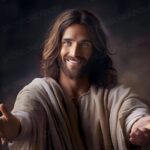
In the Synod debates on sexuality and marriage last February, I started playing ‘inclusive Jesus’ bingo. How many times would speeches protesting against our current doctrine and urging change mention that Jesus (or the gospel) was ‘inclusive’? I had to stop, since I ran out of cards because I was marking them so fast.
In reading Andrew Atherstone’s new biography of Sarah Mullally, I was taken by surprise at how consistent, especially during her time in Salisbury and as bishop of Crediton, Sarah used the term ‘inclusive’ as summarising her understanding of the gospel. And of course there is an organisation called Inclusive Church which people can sign up to.
But is the Jesus we meet in the gospels ‘inclusive’ in the way the term is used?
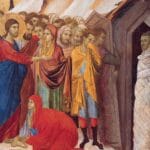
At one level, the obvious answer is ‘yes’, in that the teaching and actions of Jesus appear to cause scandal throughout the gospel narratives because he engages with, speaks to, and heals those whom others regard as beyond the pale. In fact, our phrase ‘beyond the pale’ is a reference to a stake, fence, or boundary marker, and this was highly significant for Jews in the first century.