Ascension Day: the key moment of the New Testament?
What would you identify as the climax and completion of Jesus’ life and ministry? Surprisingly, this is not a trivial question. One of the key differences between John and the synoptic gospels is that, where the synoptics portray the crucifixion as a necessary but incomplete act on the way to the resurrection, John portrays it as the climax and completion of Jesus’ ministry in itself. In place of Jesus’ cry of despair (Matthew 27.46, Mark 15.34), John records a cry of triumph ‘It is finished!’ (John 19.30). The promise of ‘living water’ springing from the belly or side of the one who believed (John 7.38), best understood in reference to the Temple prophecy in Ezekiel 47, is fulfilled in the blood and water from Jesus’ side at his death (John 19.34). No wonder the true testimony of this leads to faith (John 19.35).

But most of the NT would point to the resurrection as the completion. Paul’s theological linking of Jesus’ death and resurrection to our movement into and out of the water of baptism (Romans 6.3–4) suggests that crucifixion and resurrection belong together, and this is evident all through the proclamation of what God has done. This Jesus, whom you crucified, God raised from the dead, Peter tells the Pentecost crowd in Acts 2, and we are witnesses of this. Paul, in Luke’s parallel depiction of his ministry, also talks of ‘Jesus and the resurrection (anastasis)’ (Acts 17.18), so much so that his hearers think that Anastasis is the female consort goddess to the male god Jesus. Paul’s summary of the gospel for the Corinthians is that ‘Christ died for our sins…was buried…and was raised on the third day’ (1 Cor 15.3–4).

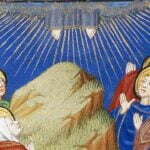
Yet most of the New Testament actually sees a third movement as an essential part and completion of Jesus’ work: the Ascension. We might miss this because of our theological tradition,

Was Jesus born in December?

One of the problems about the development of traditions around Christmas is that people writing hymns or plays set Jesus’ birth in their own world rather than in what we know of the first century. In particular, many assume that Jesus was born in winter, since Christmas is celebrated in winter in the northern hemisphere. … Continue Reading

Why is the Ascension of Jesus the most important event in the New Testament?

What would you identify as the climax and completion of Jesus’ life and ministry? Surprisingly, this is not a trivial question. One of the key differences between John and the synoptic gospels is that, where the synoptics portray the crucifixion as a necessary but incomplete act on the way to the resurrection, John portrays it … Continue Reading

What makes Ascension Day so important?

What would you identify as the climax and completion of Jesus’ life and ministry? Surprisingly, this is not a trivial question. One of the key differences between John and the synoptic gospels is that, where the synoptics portray the crucifixion as a necessary but incomplete act on the way to the resurrection, John portrays it … Continue Reading

Once more: on preaching on Trinity Sunday

In reposting my articles from previous years about Trinity Sunday and preaching on the Trinity, I have been led once more into some fascinating conversations, as a result of which I would like to ask three questions in relation to mystery, community, and calendar. Michael Sadgrove, former Dean of Durham Cathedral, has just posted his … Continue Reading

Why is Ascension Day so important?

What would you identify as the climax and completion of Jesus’ life and ministry? Surprisingly, this is not a trivial question. One of the key differences between John and the synoptic gospels is that, where the synoptics portray the crucifixion as a necessary but incomplete act on the way to the resurrection, John portrays it … Continue Reading

What is the meaning of the Ascension?

What would you identify as the climax and completion of Jesus’ life and ministry? Surprisingly, this is not a trivial question. One of the key differences between John and the synoptic gospels is that, where the synoptics portray the crucifixion as a necessary but incomplete act on the way to the resurrection, John portrays it … Continue Reading