The people of God in Revelation 7
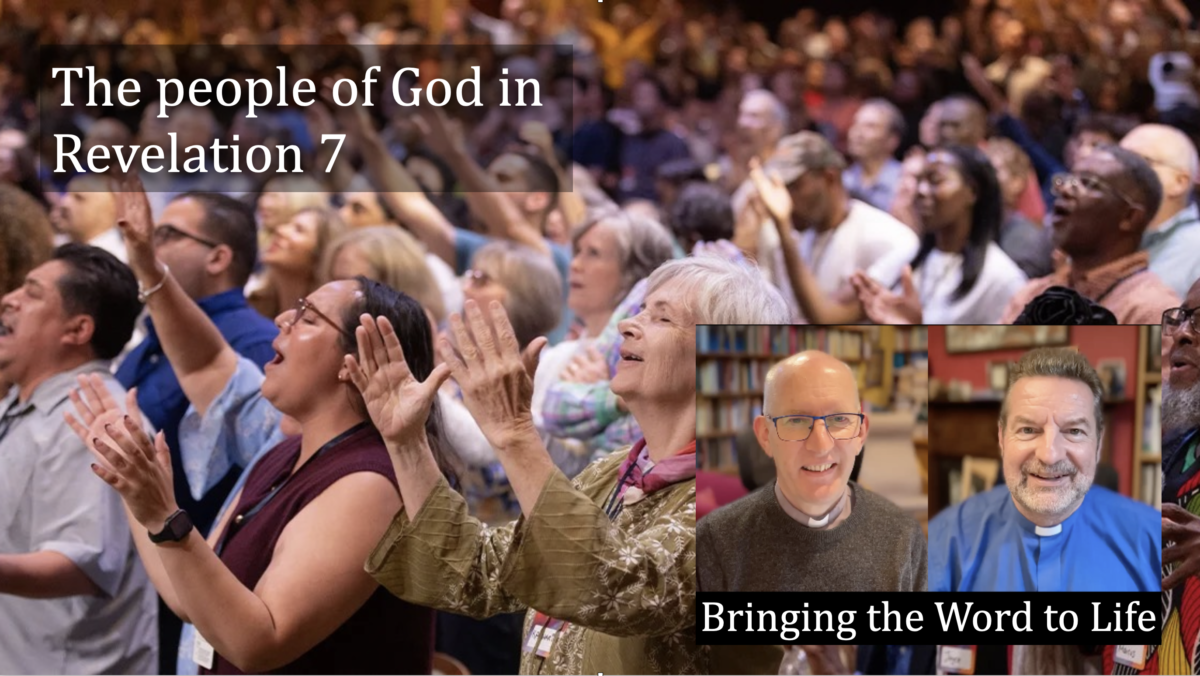
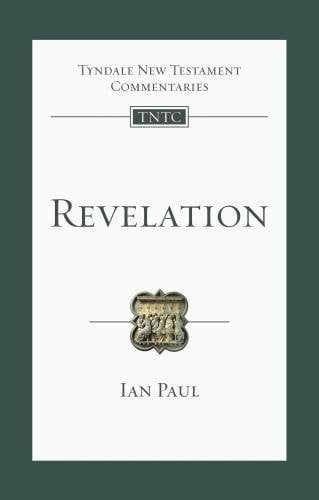
The lectionary reading for All Saints in Year A is Rev 7.9–17—an extraordinary vision of the people of God, which begins at the start of the chapter, in the interlude between the opening of the sixth and seventh seals. Our video discussion is linked below, followed by an extract from my commentary on Revelation 7. …
Continue Reading

What is worship?

I write a quarterly column for Preach magazine, in which I explore a significant word, phrase, or idea in the Bible, or a theme or section of Scripture, and the ideas that it expresses. At the end of this piece I list the previous articles I have written for them. Here I explore what Scripture …

Continue Reading

Who am I as a worship leader?

John Leach, a long-time Grove author, has just written a new title in the Worship series with his son Paul. It explores the often-neglected question of who am I as a worship leader—what persona do I project, have I reflected on that, and is it helpful? I interviewed John about it, and the interview is embedded …

Continue Reading

Where is the Trinity in the Book of Revelation?

The Book of Revelation is the most explicitly Trinitarian book of the New Testament. Amongst its complex cast of characters in the narrative of the text, it presents God (the Father, the ‘one seated on the throne’), Jesus (either named, or presented symbolically as the lamb slain and standing, or the rider on the white …

Continue Reading

How and when should we fast this Lent?

At the beginning of Lent, it is traditional to consider taking up a spiritual discipline for the season—or perhaps giving something up. I have just read a number of posts telling me of friends who are giving up on social media until Easter. (I personally find that odd; it is like saying ‘I am giving …

Continue Reading

What do we do when we worship God?

When I became an Anglican (from a background of a different church tradition), I was at first quite puzzled by the choice of Scripture passages that Anglican (that is, Church of England) services kept coming back to—the Benedictus (Luke 1.68–79) in Morning Prayer, the Magnificat (Luke 1.46–55) in Evening Prayer, and the Nunc Dimittis (Luke …

Continue Reading

Can liturgy be missional?

One of the current debates happening in the Church of England is about the relation between liturgical forms of worship and the task of mission. Put simply, some would claim that a highly structured and ‘liturgical’ service—in the sense of being shaped by formal liturgy—creates barriers to outsiders and is therefore an obstacle to mission …

Continue Reading