Empty tomb and risen Jesus in John 20

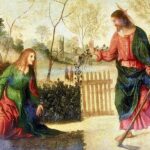
The discovery by two disciples of the empty tomb, and Mary Magdelene’s encounter with Jesus, in John 20.1–18, is one of the main options for the gospel reading for Easter Sunday in Year A (the alternative is Matt 28.1–10). And it is, in many ways, the most appealing choice, because of its polished literary form, … Continue Reading
Is Luke a gospel of symbolism?

Twelve years ago I presented a paper at the international Society of Biblical Literature comparing the symbolism of Luke with that of John. There has been a widespread view that John is a ‘spiritual’ or symbolic gospel, and that is true at one level, though John often includes more historical and eye-witness detail than the … Continue Reading
Was John the first gospel?

The British New Testament Society meets at the end of August every year, and draws around 180 scholars from the UK, from Europe and some even come from the US for the weekend. It comprises three main papers from eminent scholars, a series of specialist groups, looking at sections of the New Testament, which meet … Continue Reading
Jesus feeds the 5,000 in John 6

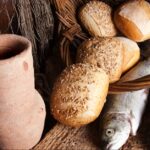
The lectionary gospel for Trinity 9 in this Year B is John 6.1–21, and it takes us from famine to feast—metaphorically and literally!—as we move from the sparse verses about Jesus’ ministry in Mark 6 to the lavish feast of both the feeding of the 5,000 and Jesus walking on the water in John 6. … Continue Reading
Jesus is the true vine in John 15

The Sunday lectionary reading for Easter 5 in Year B is Jesus’ teaching that he is the true vine in John 15.1–8. It is a striking and memorable image that has three different elements of context to consider, and it reiterates themes from earlier in the Farewell Discourse as well as picking up ideas that … Continue Reading