What is prophecy?

I write a quarterly column for Preach Magazine, and for this next edition I have written an article on the nature of prophecy in Old and New Testaments. This is my draft—any comments welcome. Prophecy forms a substantial part of the Bible—but there is much debate about the question of prophecy today, and how contemporary …

Continue Reading

The end-times Spirit comes at Pentecost in Acts 2

This Sunday is the feast of Pentecost, fifty days from Passover (hence the name), in the Jewish calendar the festival of Shavuot (‘weeks’), one of the three great pilgrim festivals (with Passover and Sukkot, ‘Tabernacles’). It was the beginning of the wheat harvest, but also celebrated the giving of the Torah on Sinai, and so …

Continue Reading

Jesus is presented in the temple in Luke 2

The gospel reading for Epiphany 4 is John 2.1–11, the water into wine at the wedding in Cana (also the reading for Epiphany 3 in Year C). The written commentary for that is here and the video discussion is here. However, at this time we also celebrate the Presentation of Jesus in the temple in Jerusalem; …

Continue Reading

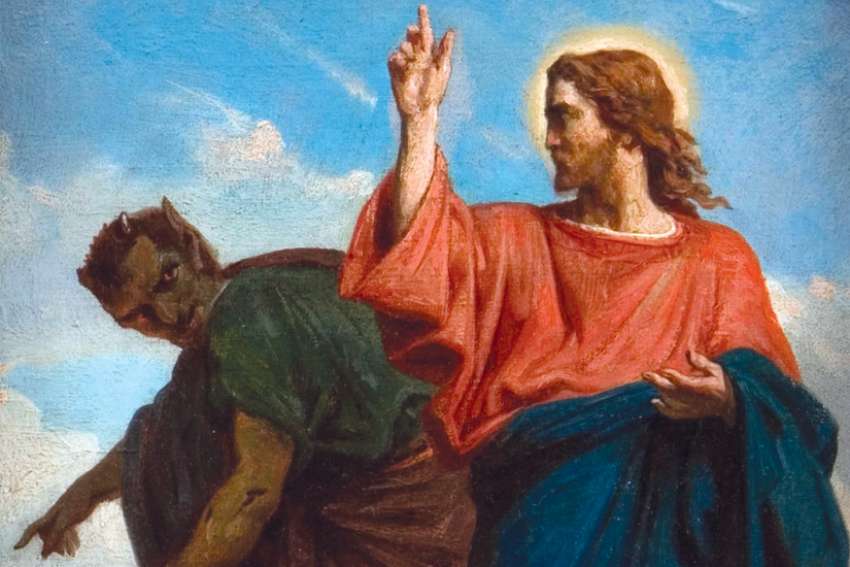
Jesus delivers the Gerasene demoniac in Luke 8

The lectionary reading for Trinity 1, Year C, is Luke’s version of Jesus meeting and healing the demon-possessed man in the ‘region of the Gerasenes’ (Luke 8.26–39). See below for commentary on this passage. The epistle for this week is Galatians 3.23-29, and you can watch the video discussion of that passage here, and the …

Continue Reading

How is the Holy Spirit described in Scripture?

It is quite common for people to make observations about the role or meaning of the Holy Spirit based on aspects of the language Scripture uses—including comments about the ‘gender’ role of the Spirit. But careful reading of the scriptural narrative shows a surprising diversity in the language that is used. The Spirit as hovering …

Continue Reading

Peace, Hope, and Suffering in Romans 5 video discussion

The lectionary readings in this Year C for Trinity Sunday are John 16.12–15 and Romans 5.1–5, both quite short readings. Western eyes often read Romans 5 in individual terms, but the honour/shame/glory motif needs to be understood corporately. The surprising combination of hope and suffering shows that Paul’s eschatology stands behind this—the future has broken …

Continue Reading