Jesus feeds the 5,000 in Matthew 14

The feeding of the 5,000 in Matthew is much briefer than in the other gospels. But he draws extensively on images from the Old Testament, and focuses on Jesus, the one who invites us, provides for us, and invites us to follow him. The Sunday lectionary reading for the Trinity 9 in Year A is …
Continue Reading

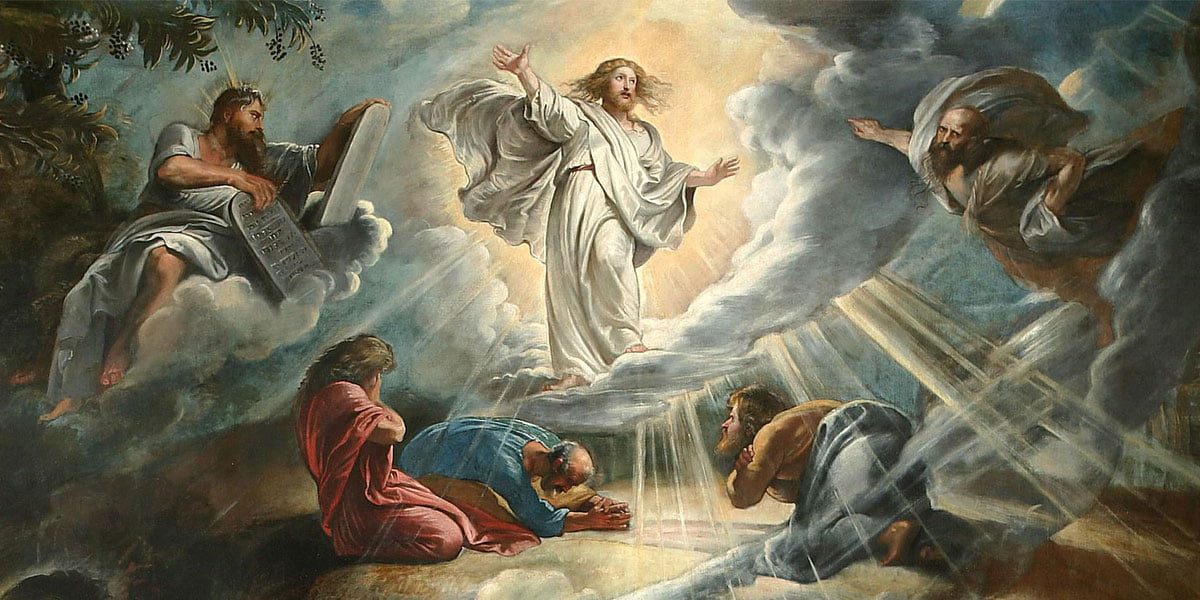
What is ‘transfigured’ in Matthew 17?

The lectionary gospel reading for the last Sunday before Lent in Year A, is Matt 17.1–9, Matthew’s account of the Transfiguration. You can find video discussion of this commentary here and posted at the end. The epistle is Peter’s account in 2 Peter 1.16–21; you can find the video discussion of that passage here and …

Continue Reading

Jesus delivers the Gerasene demoniac in Luke 8

The lectionary reading for Trinity 1, Year C, is Luke’s version of Jesus meeting and healing the demon-possessed man in the ‘region of the Gerasenes’ (Luke 8.26–39). See below for commentary on this passage. The epistle for this week is Galatians 3.23-29, and you can watch the video discussion of that passage here, and the …

Continue Reading

What is the meaning of the transfiguration in Luke 9?

The Sunday lectionary gospel reading for the last Sunday before Lent in this Year C is Luke 9.28–36, this gospel’s account of the Transfiguration, with the option of continuing to read the episode that follows immediately on the descent from the mountain. There some important things to note in relation to this passage as we think …

Continue Reading

The call and preaching of Jesus in Mark 1

The Sunday gospel lectionary for the Third Sunday before Advent at the end of this Year B is Mark 1.14-20, the beginning of Jesus’ active ministry in Galilee following his baptism in the Jordan and testing in the wilderness. I have to say I have found what the lectionary does with the opening chapter of Mark’s …

Continue Reading

Jesus is rejected by the people of Nazareth in Mark 6 video discussion

The gospel lectionary reading for Trinity 6 in this Year B is Mark 6.1–13, and is yet another example of Mark’s highly concise storytelling that is packed with theological narrative significance. The passage combines the conclusion of this section of Jesus ministry, and recounts the startling rejection of Jesus in his hometown of Nazareth (though …

Continue Reading