Where is the Trinity in the Book of Revelation?

The Book of Revelation is the most explicitly Trinitarian book of the New Testament. Amongst its complex cast of characters in the narrative of the text, it presents God (the Father, the ‘one seated on the throne’), Jesus (either named, or presented symbolically as the lamb slain and standing, or the rider on the white …
Continue Reading

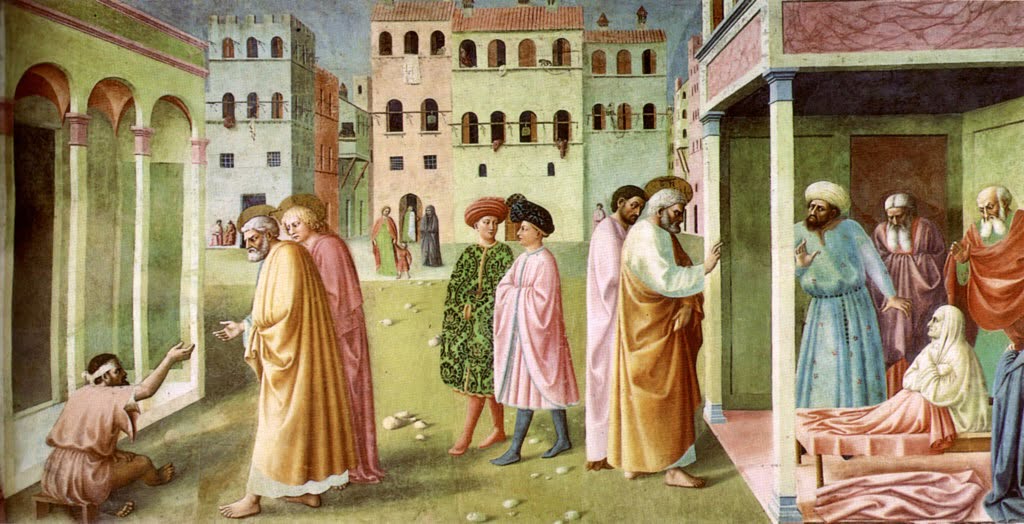
Why is the raising of Tabitha in Acts 9 important?

The lectionary readings for Easter 4 in Year C include three substantial readings: Acts 9.36-43, Revelation 7.9-17 and John 10.22-30. There is a note which says: ‘The reading from Acts must be used as either the first or second reading’, which suggests that this reading is thought to be particularly important—and this is characteristic of …

Continue Reading

Understanding (No) Palm Sunday in Luke 19

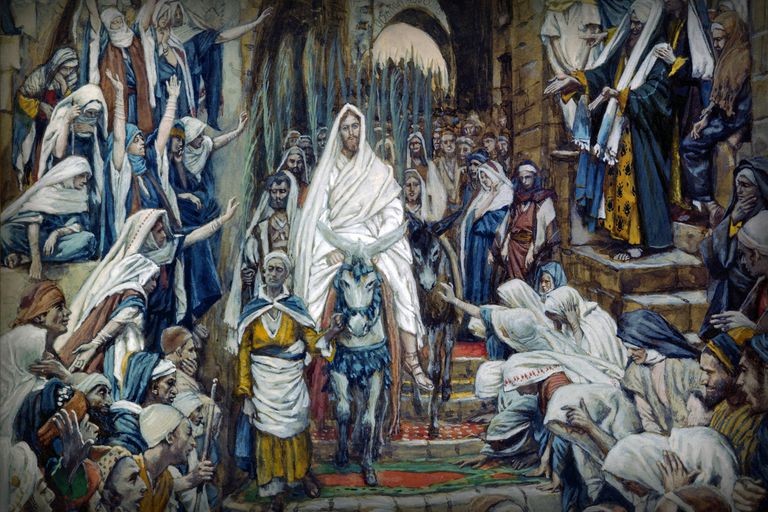
This year, Year C in the lectionary, Palm Sunday is cancelled, so you need to do away with your palm crosses, and change the choice of hymns. The reason is that we are reading from Luke 19.28–40, and Luke makes no mention of ‘palms’ during Jesus’ ‘triumphal entry’ in Jerusalem, riding on a donkey. Instead, …

Continue Reading

The humility of Jesus in Phil 2 video discussion

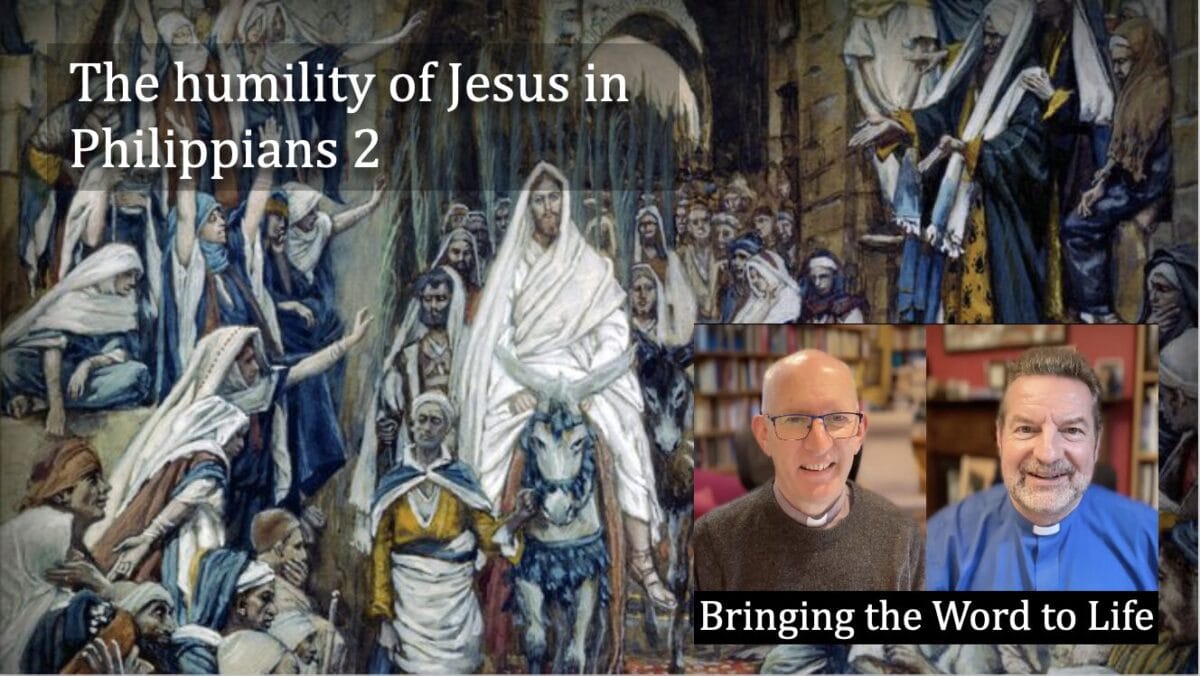
The NT epistle reading for Palm Sunday in this Year 3 is the so-called ‘Christ hymn’ in Phil 2.5–11. This is a fitting parallel to the account of Jesus’ non-triumphal entry into Jerusalem in Luke 19.28–40. The introduction to this ‘hymn’ is also very carefully poetically structured, which suggests that the whole passage is by …

Continue Reading